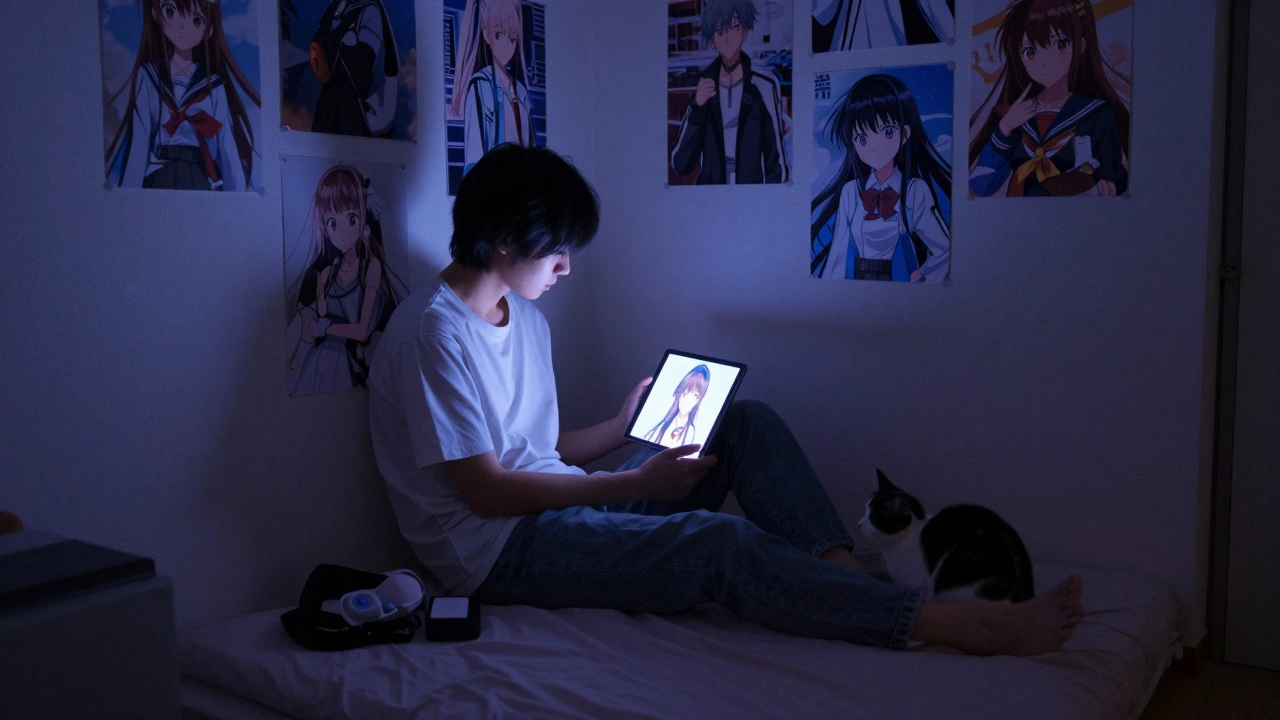
Japan’s birthrate hit a record low in 2024. Fewer babies are being born than at any point in the last 150 years. But behind that number is a quieter, deeper shift: young people are pulling away from sex, romance, and even dating. It’s not a rebellion. It’s not a phase. It’s a slow, collective retreat from intimacy that’s reshaping the future of the country. Some call it sōshoku danshi-grass-eating men-and sōshoku josei-grass-eating women. Others just say they’ve lost interest. The truth is more complicated than either label.
It’s easy to misunderstand this trend as mere apathy. But when you talk to 22-year-olds in Osaka or Tokyo, they don’t say they’re lonely. They say they’re tired. Tired of the pressure to perform, to impress, to conform to expectations that feel outdated. One woman in her early twenties told me she’d rather spend her weekend reading manga than scrolling through dating apps. Another man said he’d rather save his money for a train ticket to Hokkaido than for a dinner date. This isn’t about lack of opportunity. It’s about lack of desire. And yes, somewhere in a corner of the internet, someone is still advertising girls escort in london, but that’s not the story here. That’s a symptom of a different kind of loneliness-one built on transaction, not connection.
Why Sex Isn’t the Problem
The headlines scream: "Japanese youth aren’t having sex!" But that’s not the full picture. Surveys show that many young Japanese still have sex. It’s just less frequent. And often, it’s not with a romantic partner. A 2023 study by the National Institute of Population and Social Security Research found that 40% of single men and 35% of single women between 18 and 34 had not had sex in the past year. But 60% of those same people said they were not actively seeking it. That’s the key difference. They’re not celibate by choice-they’re disengaged by exhaustion.
Japan’s economy hasn’t collapsed, but it’s ground down the dreams of its youth. Lifetime employment is a relic. Wages have flatlined since the 1990s. Housing is unaffordable. The social contract that once promised stability in exchange for hard work has broken. When you’re working 60-hour weeks just to keep your head above water, romance feels like a luxury you can’t afford. And when you’re constantly told you’re not good enough-by ads, by social media, by the unspoken rules of dating-you start to wonder why you’d even try.
The Rise of the Non-Intimate Life
Instead of dating, many young Japanese are building lives around things that don’t demand emotional labor. Virtual idols. Anime. Pet companionship. Video games. The otaku culture isn’t just a niche anymore-it’s a lifestyle. A 2024 survey by the Japan Society for the Study of Intimacy found that 28% of single men under 30 spend more time with their virtual girlfriends than with real people. These aren’t fantasy escapes. They’re emotional alternatives. One man, 26, told me his AI girlfriend remembers his favorite music, asks how his day went, and never criticizes him. "She doesn’t expect me to be perfect," he said. "Real people do."
Women aren’t immune. Many report feeling overwhelmed by the pressure to be attractive, nurturing, and emotionally available-while also holding down a job. Dating apps are full of men who want a girlfriend who looks like a model and acts like a therapist. No wonder some women just log off. The rise of "hikikomori"-social recluses-hasn’t slowed. And while not all of them are asexual, many have simply withdrawn from the emotional economy entirely.
What’s Really Missing?
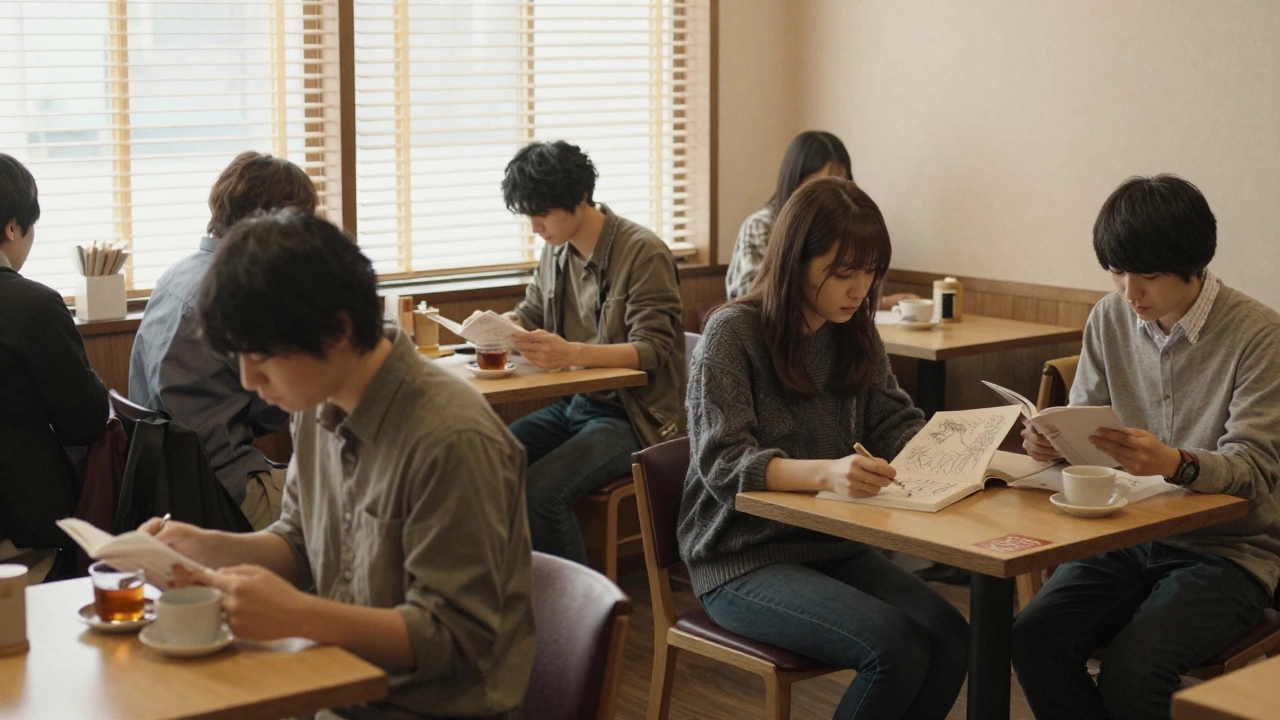
It’s not sex. It’s safety. It’s respect. It’s the absence of pressure. Japanese society still clings to rigid gender roles. Men are expected to be providers. Women are expected to be caregivers. Neither role leaves room for vulnerability. A man who admits he’s unsure about relationships is seen as weak. A woman who says she doesn’t want children is seen as selfish. There’s no middle ground. No space to be confused, to be quiet, to be imperfect.
And then there’s the culture of performance. In high school, students are drilled on how to behave in social settings. In college, they’re trained for corporate interviews. But no one teaches them how to talk about feelings. How to say no. How to ask for what they need. The result? A generation that knows how to follow rules but doesn’t know how to connect.
Some try to fill the gap with commercialized intimacy. That’s where you find services like sexy london girls escort-a global phenomenon that mirrors a deeper truth: when real connection feels too risky, people turn to paid versions. It’s not about lust. It’s about control. In those interactions, the rules are clear. You pay. You get what’s promised. No emotional debt. No future obligations. No messy feelings. It’s the opposite of intimacy. And yet, it’s becoming a substitute for it.

The Global Mirror
This isn’t just a Japanese problem. It’s a global one, just more visible there. In South Korea, youth are delaying marriage at record rates. In the U.S., Gen Z reports lower sexual activity than millennials at the same age. But Japan’s population is shrinking faster. Its aging crisis is more urgent. And its cultural norms are more rigid. So the retreat from intimacy hits harder.
What’s happening in Japan is a warning. When economic insecurity meets social pressure, people don’t revolt. They withdraw. They stop investing in relationships because they don’t believe those relationships will last. They stop having children because they don’t believe the world will be kind to them. They stop having sex because they don’t believe it will bring them joy.
Is There a Way Back?
Some cities are trying. Osaka launched "Love Cafés"-spaces where young people can meet without the pressure to date. Tokyo has workshops on emotional literacy for teens. Companies are offering mental health days. But these are small fixes. The real change needs to come from the top. From schools that teach consent and communication. From workplaces that respect boundaries. From media that stops selling romance as a product.
There’s hope in the quiet rebellion. More young people are saying "no" to traditional expectations. More are choosing solitude over performance. More are building lives outside the script. That’s not a failure. That’s a redefinition. Maybe the future of intimacy isn’t about more sex. Maybe it’s about better connections. About safety. About freedom to be human without being judged.
One woman in Kyoto, 24, told me she’s not looking for a boyfriend. But she’s not lonely. She has three close friends. She volunteers at a cat shelter. She writes poetry. "I don’t need someone to complete me," she said. "I just need space to be me."
That’s the real question. Not whether Japanese youth are having sex. But whether society will let them be whole without it.
And yes, somewhere online, someone is still selling euro escort london-a reminder that when human connection becomes too hard, someone will always find a way to monetize the gap. But that’s not the solution. It’s the symptom.